Menopause belly fat is the bane of most women’s life. Eating the same foods, exercising as usual, but noticing your waistline expanding? You’re not imagining things. Menopause can change the way your body stores fat, and understanding why could make a real difference to your long-term health.
You’ve been eating much the same way for years. Your weight hasn’t changed dramatically, and you’re certainly not indulging any more than usual.
Yet somehow, your favourite jeans are getting tighter around the waist.
Sound familiar? For many women approaching or going through menopause, this is one of the most frustrating changes. And it’s often accompanied by the familiar advice to simply ‘eat less and move more’.
But what if the problem isn’t necessarily how much you’re eating, but how your body is changing?
The answer involves hormones, muscle mass, metabolism and something we don’t talk about nearly enough — metabolic health.
First, Let’s Clear Up a Common Misconception
Menopause doesn’t automatically cause weight gain.
According to Australian women’s health organisation Jean Hailes, women commonly gain around half a kilogram annually during midlife, largely because of ageing and lifestyle factors rather than menopause itself.
However, declining oestrogen levels can influence where the body stores fat.
Before menopause, women generally carry more fat around their hips and thighs. As oestrogen declines, fat distribution tends to shift towards the abdomen.
You may even notice your waistline increasing without much change on the scales.
And this is where things become interesting.
Not All Belly Fat Is the Same
There are two main types of abdominal fat.
Subcutaneous fat sits just beneath the skin — the softer fat you can pinch.
Visceral fat accumulates deeper inside the abdomen, surrounding internal organs.
While some visceral fat is normal, excess amounts are associated with increased inflammation, insulin resistance, cardiovascular disease and Type 2 diabetes.
Unlike fat stored beneath the skin, visceral fat is particularly metabolically active, releasing substances that can influence how the body processes glucose and regulates inflammation.
So that expanding waistline isn’t necessarily just a cosmetic concern.
It may be a useful signal to pay closer attention to your metabolic health.
What’s Happening to Your Blood Sugar?
Insulin is the hormone that helps glucose move from your bloodstream into your cells, where it’s used for energy.
When cells become less responsive to insulin, the body needs to produce more of it to maintain healthy blood glucose levels.
This is called insulin resistance.
Changes in abdominal fat, reduced muscle mass, poor sleep and declining physical activity can all contribute to insulin resistance during midlife.
The relationship isn’t straightforward, and menopause doesn’t mean you’ll automatically develop diabetes.
Nevertheless, the transition provides an important opportunity to check blood glucose levels, particularly if there’s a family history of Type 2 diabetes.
And contrary to popular belief, simply cutting out sugar isn’t necessarily the complete solution.
The Missing Piece: Muscle Mass
Here’s another change that often goes unnoticed.
As we age, we naturally tend to lose muscle mass, particularly if we’re not regularly using our muscles. Muscle plays an important role in glucose regulation because it’s one of the body’s major consumers of glucose.
Less muscle can mean reduced glucose uptake and lower overall energy requirements.
This helps explain why the same eating habits that worked beautifully at 35 might not deliver the same results at 55.
Maintaining muscle through resistance exercise and adequate protein intake becomes increasingly important.
And no, that doesn’t necessarily mean joining a gym!
Gardening, carrying shopping, using resistance bands or doing simple strength exercises at home can all contribute. The main thing is to actually DO something !
Don’t Forget Your Gut
There’s another important player in metabolic health: your gut microbiome.
The trillions of microorganisms living in your digestive system help break down dietary fibre and produce beneficial compounds known as short-chain fatty acids, including butyrate.
These compounds support gut function and participate in processes involved in metabolism and inflammation.
Australian research organisation CSIRO has highlighted the importance of dietary fibre, particularly resistant starch, in nourishing beneficial gut bacteria. Researchers are also investigating how menopause-related hormonal changes interact with the microbiome.
While the science is still developing, we already have strong reasons to prioritise fibre-rich foods.
Food-as-Medicine: What Can You Actually Do?
The encouraging news is that supporting metabolic health doesn’t require extreme dieting or expensive interventions.
Start with a few practical changes:
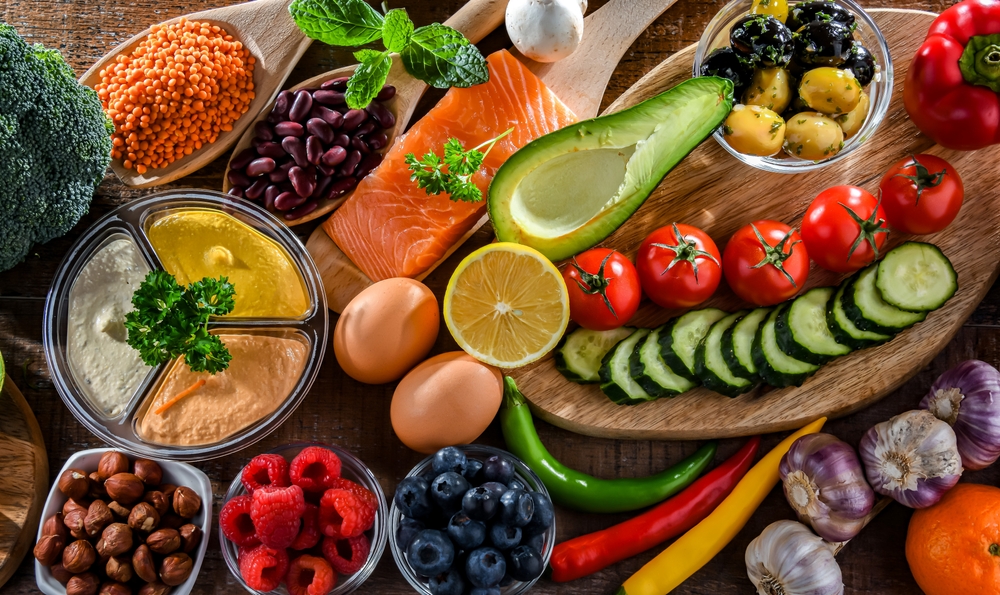
- Eat more fibre. Include vegetables, legumes, wholegrains, nuts and seeds to support gut health, cholesterol management and fullness.
- Prioritise protein. Help preserve muscle mass by including quality protein sources throughout the day.
- Build strength. Combine regular walking with resistance exercises that suit your ability.
- Protect your sleep. Poor sleep can influence appetite, energy levels and metabolic regulation.
- Know your numbers. Check your blood glucose, cholesterol, blood pressure and waist circumference with your healthcare professional.
At NutriKane, our Food-as-Medicine philosophy recognises that dietary fibre and good nutrition are important foundations of long-term metabolic health.
It’s about nourishing the body and supporting its natural processes rather than constantly chasing the latest weight-loss solution.
Perhaps It’s Time to Rethink Menopause Weight Gain
Menopause isn’t a disease, and an expanding waistline doesn’t mean declining health is inevitable. But it can be an invitation to look beyond the bathroom scales.
Instead of asking, “Why can’t I lose this belly fat?”, perhaps a more valuable question is:
“What has changed in my body, and how can I support it differently?”
Because the real goal isn’t simply fitting into those old jeans.
It’s protecting your metabolic health, maintaining your strength and enjoying the decades of life ahead.
Prevent Tomorrow’s Problems Today — NutriKane.