A Sydney Morning Herald article this week delivered a brutal truth: almost half of the Australian diet now consists of ultra-processed foods — and the consequences are hitting every major measure of health, longevity, productivity and wellbeing.
This isn’t about the occasional treat, the weekend burger, or convenience on a busy night.
This is about a food system that has quietly shifted the nation from fresh, whole, natural foods… to factory-made formulas packed with chemicals, additives, engineered textures, industrial oils, flavour enhancers and long-life packaging that leaches toxic compounds into the food itself. And the science is now overwhelming:
Ultra-processed foods (UPFs) are directly linked to chronic disease, metabolic dysfunction and early death — essentially the reverse of the Mediterranean diet.
A Global Review of 104 Studies: The Pattern Is Devastating
Forty-three global experts, including leading Australian researchers, have published a three-paper series in The Lancet. It is one of the most comprehensive assessments of UPFs ever undertaken.
The findings are crystal clear:
Ultra-processed foods are associated with elevated risk of:
- Cancer
- Cardiovascular disease
- Stroke
- Type 2 diabetes
- Obesity and metabolic syndrome
- Depression
- Crohn’s disease
- Chronic kidney disease
- Liver and gall bladder disease
- Hypertension
- Joint inflammation
- Early death from all causes

This is not one isolated study — 92 out of 104 long-term studies found higher risk of at least one chronic disease in people who consumed more UPFs.
The Chemical Cocktail We Never Signed Up For
The SMH report highlights a deeply troubling part of the Lancet findings: UPFs expose Australians to a constant, uncontrolled mix of synthetic chemicals — many of them never tested in combination for long-term human health effects.
These include:
- PFAS (“forever chemicals”) leaching from packaging
- Phthalates linked to reproductive and developmental issues
- Endocrine disruptors that interfere with hormone
- Artificial emulsifiers, colourings, sweeteners and preservatives added for texture, shelf-life and taste
- Novel enzymes and processing aids that consumers are never told about
Alarmingly, studies show people who eat more UPFs have significantly higher PFAS levels, including pregnant women whose babies are exposed through umbilical cord blood.
This is not food.
This is chemistry.
The Industry Power Behind the Problem
What started as a noble ideal – the preparation of food for ease of transport and extended shelf life, has been corrupted by the greed of bad faith actors that realise that ultra-processed foods are one of the few poorly regulated addictions left to exploit. Sadly, the need for easy transport and stable foods is one of the arguments that these bad faith actors use to justify keeping the area unregulated. How many times have we seen articles saying “but if you control processed foods then needy populations may starve” as if there is no middle ground; or dishonest articles that claim that because whole meal flour is milled grain, then it is as processed as a candy bar so really processing insn’t the problem.
One of the most striking revelations: the scale of influence multinational food companies hold over our diets — and over government policy.
Dr Phillip Baker of the Sydney School of Public Health noted:
“Three companies — Coca-Cola, Pepsi and Mondelez — spend $13.5 billion a year on advertising.
That is four times the entire operating budget of the World Health Organisation.” Meanwhile, Australia’s Health Star Rating system has been widely criticised for being manipulated by industry. Only one-third of packaged foods display it, many ultra-processed foods score well, and consumers are being misguided at the point of purchase.
UPFs Displace Nutritious Food — And That’s the Core Issue
One of the main issues with ultra-processed foods isn’t what’s added, but rather what’s removed for ease of manufacture.
Deakin University’s Dr Priscila Machado summarised it simply:
“Diets high in ultra-processed foods are nutritionally poor.They displace whole foods and all their health-protective benefits.”
When UPFs enter the diet, real food disappears.
We lose:
- Fibre
- Phytonutrients
- Minerals
- Vitamins
- Antioxidants
- Diverse plant compounds that protect immunity, metabolism and gut health
We don’t get sick because we’re missing one vitamin.
We get sick because we’re missing the complexity of whole food.
Food-as-Medicine: A Practical, Science-Backed Path Forward
This is where Food-as-Medicine must step back into the national conversation.
Australians are not short on willpower — they’re short on options and reliable information that make it easy to put real nutrition back into daily life. Rebuilding our health begins with restoring the balance of natural fibres, polyphenols, resistant starches and plant compounds that modern ultra-processed diets lack.
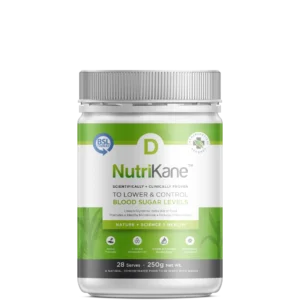
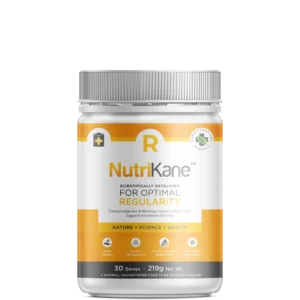
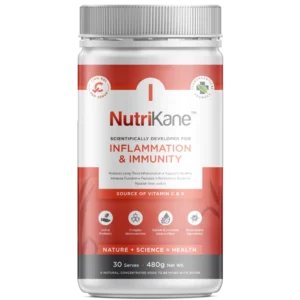
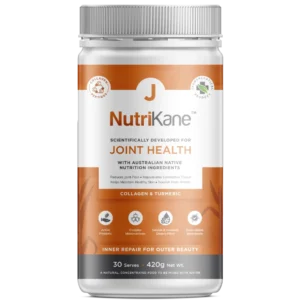
Whole-food interventions like NutriKane™ offer a practical, evidence-backed way to counteract the nutrient void created by UPFs. Made from real, minimally-processed plant ingredients, NutriKane is designed to support gut health, metabolic balance, and overall wellness by delivering what the modern diet has stripped away. It aligns with what the Lancet authors emphasise: returning the body to food in its natural form — complex, synergistic, unmanufactured.
Food-as-Medicine isn’t a trend.
It’s one of the most powerful, accessible methods we have to reverse course and protect Australians from the long-term damage caused by ultra-processed eating.
Experts Are Calling for a Response Similar to Tobacco Control
The Lancet authors are united:
Australia needs a coordinated, national public health response to UPFs — similar to the fight against Big Tobacco.
That includes:
- Stronger marketing restrictions
- Clearer front-of-pack warnings
- Taxes on harmful ultra-processed foods
- Removing industry influence from policy
- Limits on UPFs in schools
- Mandatory disclosure of processing aids and packaging chemicals
This shouldn’t be about politics — it’s about protecting public health.
A Turning Point for Australia
We are at a national crossroads.
Continue down the path of convenience, corporate influence and engineered foods…
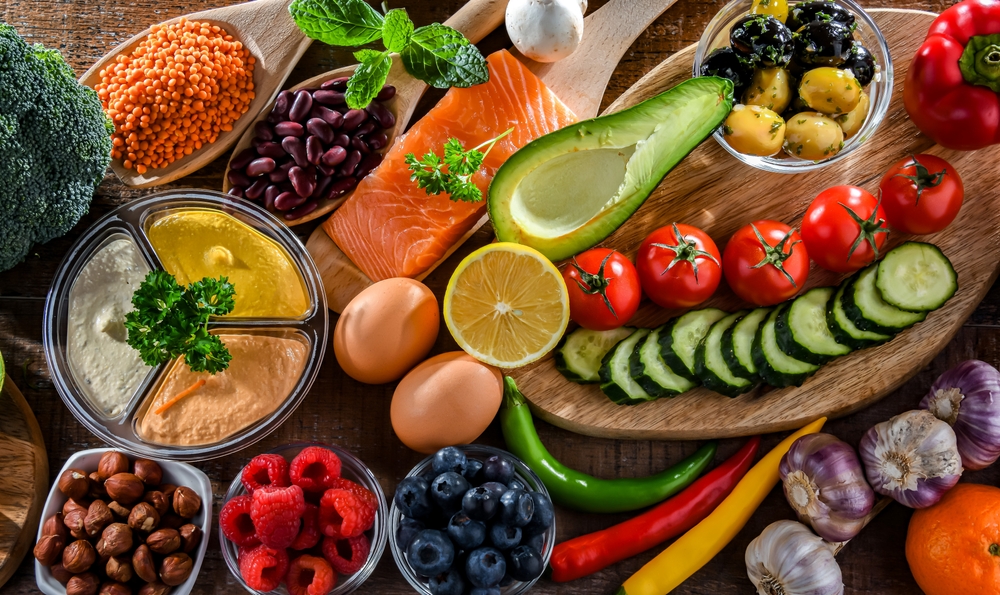
Or reclaim our health with whole, natural, minimally-processed foods — supported by practical tools like Food-as-Medicine approaches that give Australians a fighting chance.
Ultra-processed foods are not harmless.
They need to become “treats in moderation” similar to alcohol, not be part of our diets. In their current form they are actively undermining the metabolic, mental, hormonal and long-term health of Australians.
The science is clear.
The risks are real.
The cost is rising.
Australia deserves better — and it starts with what’s on our plates.