Why Fibre, Inflammation and Oral Health Are More Connected Than You Think
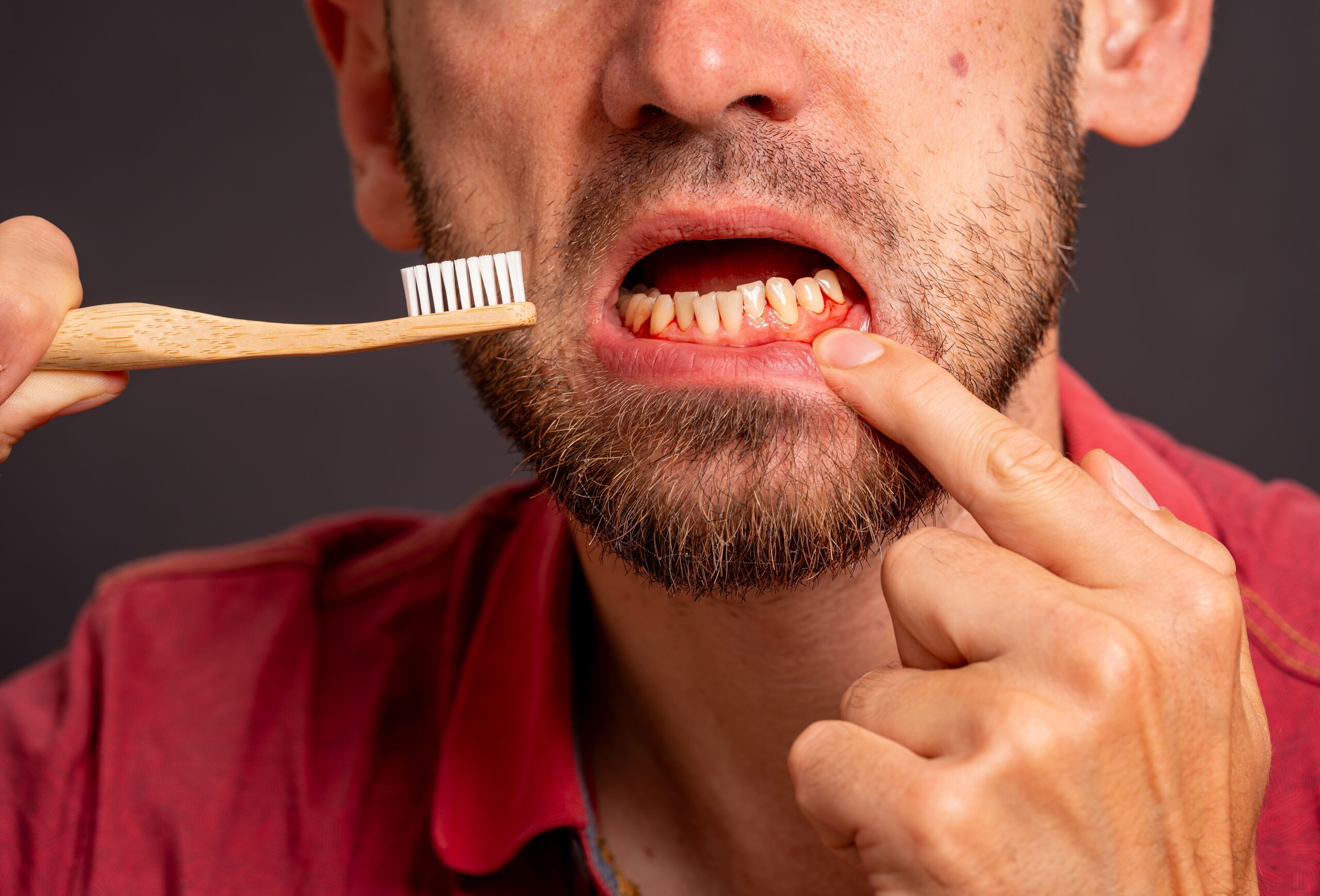
When gums start to recede, bleed, or feel sensitive, most people are told it’s down to brushing technique, getting older, or bad genetics. But both emerging research and real-world clinical experience are telling a much bigger story.
Understanding the link between oral health and gum disease is essential for maintaining overall health.
Your mouth isn’t separate from your gut. In fact, it’s the front door. Digestion of food starts in the mouth, and the food starts interacting with our microbiome from the instant we take a bite.
Addressing factors like inflammation can help prevent conditions such as gum disease.
What’s happening in your digestive system — especially around fibre intake, inflammation, and blood sugar balance — has a direct impact on gum health, tissue repair, and even long-term tooth stability.
From a Food-as-Medicine point of view, receding gums are often not a dental failure, but an early metabolic and inflammatory signal.
The Mouth – Gut Connection: One Continuous System
Digestion starts in the mouth, and the bacteria living there are closely linked to the microbes further down the gut. There is also evidence of communication between the various microbiome populations in the digestive system.
When the gut microbiome is balanced and well nourished:
- Immune responses are better regulated
- Inflammation stays under control
- Tissue repair works efficiently
When it isn’t:
- Harmful bacteria gain the upper hand
- Inflammatory signals rise
- Fragile tissues — like gums — are often the first to suffer
This is why gum disease and gut dysfunction so often exist together.
Fibre: The Missing Piece in Gum Health
Fibre isn’t just about keeping things moving. Certain fibres are fermented by gut bacteria to produce short-chain fatty acids (SCFAs) such as butyrate, acetate and propionate.
These compounds play a critical role in:
- Regulating immune activity
- Reducing chronic inflammation
- Strengthening the gut lining
- Supporting collagen and connective tissue repair
Importantly, these effects are both localised and systemic, meaning they affect the whole body — including the gums.
When fibre intake is low – as it often is in diets high in processed foods – SCFA production drops. The immune system becomes more reactive, inflammation rises, and tissues like gums become far more vulnerable to damage.
Inflammation: The Real Driver of Gum Recession
Gum recession isn’t simply “wear and tear.” It’s the result of long-term inflammatory breakdown of:
- Gum tissue
- Connective tissue
- Supporting jawbone
Chronic inflammation — often driven by long-standing plaque and biofilm — triggers an immune response that can remain painless until damage is well advanced. Once it takes hold, it accelerates:
- Collagen loss
- Bone resorption
- Reduced blood flow to gum tissue
This helps explain why people with insulin resistance, pre-diabetes or Type 2 diabetes experience much higher rates of gum disease — often years before they’re formally diagnosed. From a Food-as-Medicine perspective, gum recession is frequently an early warning sign of metabolic dysfunction, not just a dental issue. And unwanted inflammation doesn’t stay put — it travels throughout the body.
Blood Sugar, Bacteria and the Gums
Good oral hygiene absolutely matters — but it can’t override a pro-inflammatory internal environment.
Many people brush and floss carefully yet still experience:
- Gum recession
- Bleeding
- Sensitivity
- Loose teeth
Often this points to deeper issues such as:
- Low fibre intake
- Gut / oral microbiome imbalance
- Chronic stress and elevated cortisol
- Reduced nutrient absorption
In these cases, the solution doesn’t live in the bathroom — it lives on the plate.
Food-as-Medicine Strategies for Gum Health
Supporting oral health means supporting the gut and the whole body.
Key principles include:
1. Feed beneficial bacteria daily
- Diverse plant fibres
- Resistant starches
- Slowly fermented fibres that boost SCFA production
2. Reduce overall inflammatory load
- Minimise refined sugars and ultra-processed foods
- Balance carbohydrates with protein and healthy fats
3. Support tissue repair
Many people — particularly older adults and chronic dieters — have nutrient gaps that affect gum healing.
Key nutrients include:
- Vitamin C – for collagen formation
- Vitamin D – for immune and bone regulation
- Calcium and magnesium – for jawbone support
- B-vitamins – for efficient metabolic function and tissue repair
- Zinc – to support immune defence against bad oral bacteria
Adequate protein intake is also essential for collagen renewal.
How NutriKane I Can Help

NutriKane I offers a powerful Food-as-Medicine approach to gum health because it targets the root drivers of periodontal disease — inflammation, immune imbalance, and metabolic stress.
By feeding beneficial gut bacteria, NutriKane I supports increased production of short-chain fatty acids (SCFAs), which help calm systemic inflammation, regulate immune responses, and improve insulin sensitivity — all key factors in gum disease progression and healing.
Rather than working locally like mouthwashes or topical treatments, NutriKane I supports the gut–immune–oral health axis, helping create the internal conditions needed for gums to heal, inflammation to settle, and long-term oral resilience to be restored naturally.
Other Important Factors to Consider
1. Nervous system balance
Chronic stress directly affects the mouth.
- Elevated cortisol increases inflammation, clenching and grinding
- Parasympathetic (“rest and digest”) states support healing
2. Hormonal changes — especially in women
Often overlooked, menopause and perimenopause reduce oestrogen, leading to:
- Lower collagen levels
- Thinner gum tissue
- Increased inflammatory sensitivity
This is why gum recession often accelerates after age 50.
3. Genetics and thin gum biotype
Genetics may create a predisposition — but they are not destiny.
Lifestyle, diet and inflammation determine whether that risk becomes a problem.
4. Medications and dry mouth
Saliva is protective. Reduced saliva increases bacterial damage.
Common contributors include:
- Antidepressants
- Blood-pressure medications
- Antihistamines
- Some diabetes medications
Dry mouth significantly increases the risk of gum recession.
The Bigger Picture: Gums as an Early Warning System
From a Food-as-Medicine lens, changes in the gums are rarely random.
They often appear before:
- A diabetes diagnosis
- Cardiovascular disease
- Chronic inflammatory conditions
In this way, your gums may be one of the earliest and most visible signals that your body is struggling to regulate inflammation. Listening early gives you options.
A New Way to Think About Oral Health
Healthy gums don’t start with toothpaste.
They start with:
- Feeding the microbiome
- Reducing chronic inflammation
- Supporting metabolic health
- Nourishing the body’s natural repair systems
When fibre intake improves, inflammation settles, and gut bacteria are supported, the mouth often responds — quietly but powerfully.
That’s Food-as-Medicine in action.