For many Australians, the arrival of spring means warmer days, longer evenings — and the return of sneezing, itchy eyes, blocked noses and seemingly endless tissues.
Hay fever, medically known as allergic rhinitis, affects around 18% of people in Australia and New Zealand. Pollen is one of the major seasonal triggers, along with environmental allergens such as dust mites, moulds and animal dander.
But pollen itself is only part of the story.
Pollen may be the trigger,BUT it’s the immune system’s response to it that produces these symptoms.
And that raises an interesting question: rather than only thinking about what is happening in the nose and eyes during allergy season, should we also be thinking about the health of the immune system — and particularly its close relationship with the gut?
What Actually Happens During Hay Fever?
Our immune system is constantly distinguishing between things that represent a genuine threat and those that can safely be ignored.
In someone with a pollen allergy, the immune system identifies otherwise harmless pollen as a threat. This activates an immune and inflammatory response that produces the familiar symptoms of hay fever — sneezing, itching, watery eyes, congestion and a runny nose. Pollen allergies can also aggravate coughing, wheezing and asthma in susceptible people.
This is an important distinction.
Hay fever isn’t simply an indication that the immune system needs to be made “stronger”. In fact, it is already responding very enthusiastically.
What we really want is an immune system capable of responding appropriately when required and remaining well regulated when it isn’t.
What Does the Gut Have to Do With It?
Quite a lot actually.
The gut isn’t simply a tube for digesting food. It contains a vast community of microorganisms — the gut microbiome — living alongside an extensive network of immune cells.
There is constant communication between the intestinal environment, gut microbes and our immune system.
Researchers are increasingly investigating how the gut microbiome helps shape immune development, immune tolerance and inflammatory responses, including those involved in allergic conditions.
That doesn’t mean changing the microbiome can “cure” hay fever. Allergy is complex and influenced by genetics, environmental exposure and numerous other factors.
But it does mean that supporting gut health is increasingly recognised as part of supporting healthy immune function.
Why Dietary Fibre Matters
This is where diet becomes particularly interesting.
Different dietary fibres provide nourishment for different populations of microorganisms living within our gut.
As gut bacteria ferment these fibres, they produce an extraordinary range of metabolites and signalling molecules that interact with the intestinal lining, metabolism and immune system.
Short-chain fatty acids are among the best known of these compounds, but they are only part of a much larger and more complex system.
The important point is not one particular bacterium, fibre or metabolite.
It’s the diversity of the nutritional environment we provide for the gut microbiome.
Research examining dietary fibre, the microbiome and allergic disease suggests that fibre can influence microbial activity and immune regulation, although researchers are still working to understand how this may translate into prevention or management of individual allergic conditions.
From a Food-as-Medicine perspective, that makes eating a diverse range of plant foods and dietary fibres a very sensible foundation for long-term gut and immune health.
Don’t Wait Until the Tissues Come Out
One of the problems with hay fever is that we often don’t think about it until we’re already miserable.
Then the focus quite understandably becomes symptom relief.
Antihistamines, nasal sprays, saline rinses, allergen avoidance and, where appropriate, allergen immunotherapy all have legitimate roles in managing allergic rhinitis.
But supporting good nutritional, gut and immune health is different.
It’s something we can work on every day — not simply when pollen counts rise.
In southern Australia, grass pollen allergy is generally more problematic around October, November and December, although seasons vary considerably according to location, weather and the particular pollen involved.
That makes the weeks leading into spring and early summer an ideal reminder to look at the foundations: dietary diversity, fibre intake, gut health, sleep, exercise and overall nutrition.
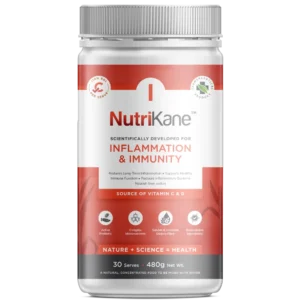
Where Does NutriKane I Fit?
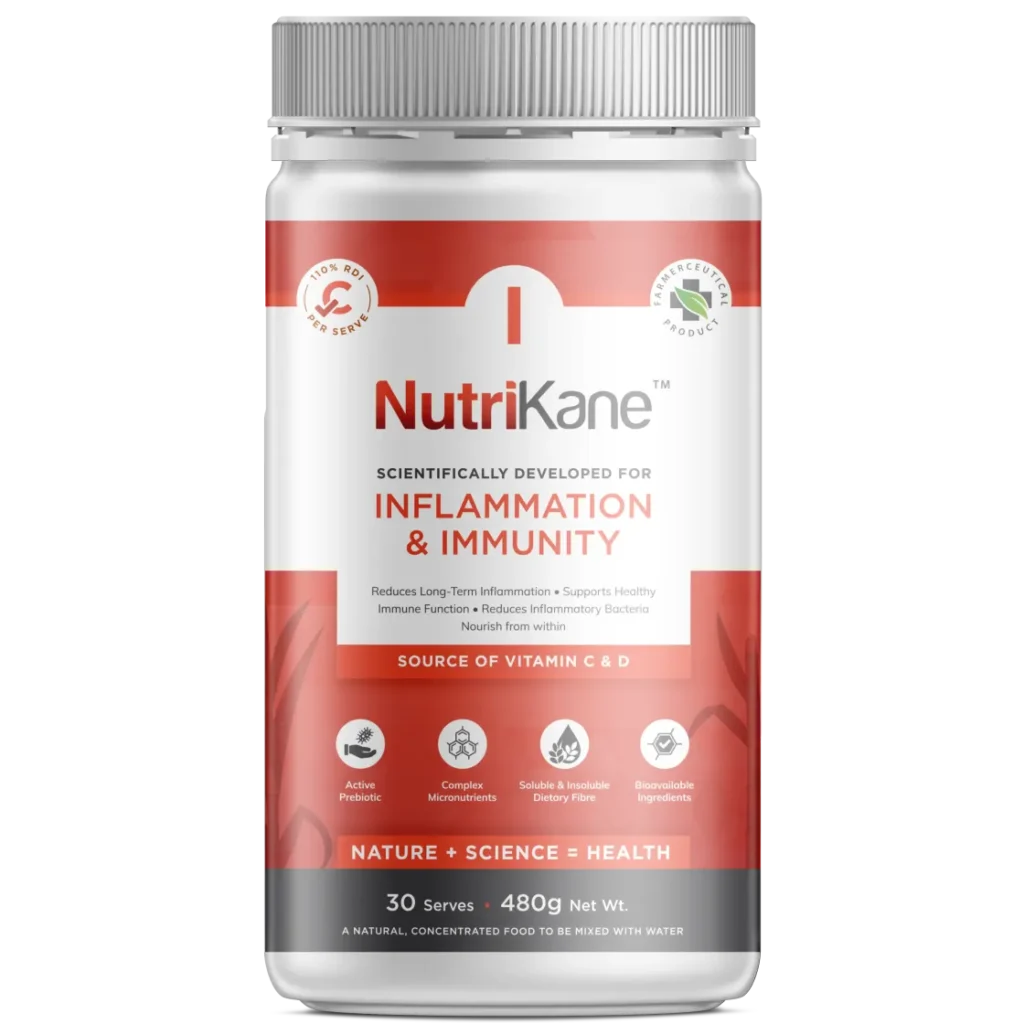
NutriKane I was developed around this Food-as-Medicine philosophy.
Rather than relying on a single isolated nutrient, NutriKane I provides a carefully formulated sugarcane-derived nutritional matrix containing dietary fibre together with naturally occurring plant nutrients.
Its role isn’t to make the immune system work “harder”.
NutriKane I is designed to support healthy immune function, gut health and the body’s normal inflammatory processes as part of a simple daily nutritional routine.
That distinction is particularly relevant when we are talking about allergies.
The objective isn’t an immune system permanently switched to HIGH.
It’s an immune system that receives the nutritional support it needs to function normally and appropriately.
Combined with a varied, fibre-rich diet and healthy lifestyle, NutriKane I provides a simple Food-as-Medicine approach to supporting those foundations every day.
Prepare Before Allergy Season Arrives
There’s not a single food, supplement or natural remedy that can eliminate hay fever, and people with persistent or severe allergy symptoms should discuss appropriate management with their healthcare professional.
But there is a bigger picture worth considering.
Our gut, diet, microbiome, inflammatory processes and immune system don’t operate independently of each other.
They form an interconnected biological system that we influence every day through what we eat.
So if spring routinely sends you searching for the antihistamines and tissues, perhaps this year start thinking about your immune health before the pollen is flying.
Because supporting your body for allergy season doesn’t have to begin with the first sneeze.
Support Your Gut. Support Healthy Immune Function.
Discover NutriKane I — Food-as-Medicine for everyday immune and inflammatory support.
NutriKane I is not intended to treat allergic rhinitis, asthma or anaphylaxis and should not replace prescribed allergy medication or medical treatment. Anaphylaxis is a medical emergency requiring immediate treatment.