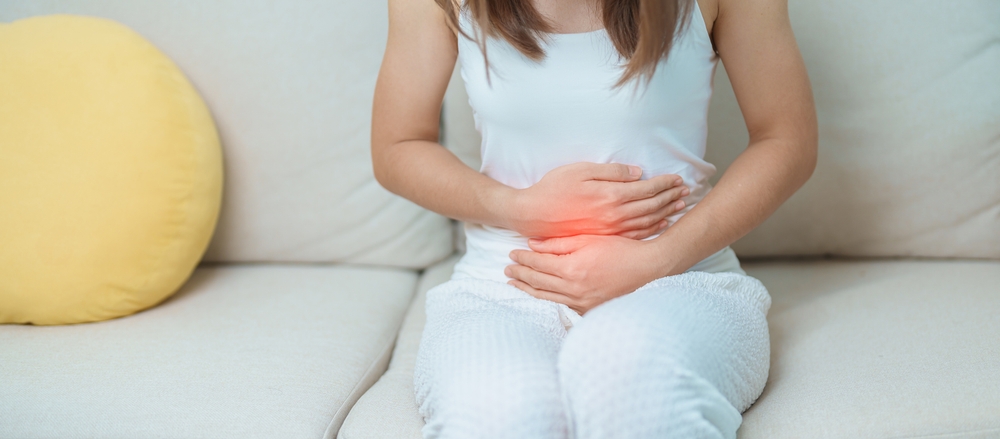
Endometriosis is a chronic and often painful gynaecological disorder, that affects millions of women of reproductive age, worldwide, and is also recognised as a significant contributor to infertility. Here in Australia, it’s estimated it now affects one in seven women by the age of 44. It’s often mis-diagnosed, meaning adolescent girls and young women with the early symptoms of endometriosis are likely to experience years of pain and frustration before their true condition is confirmed.
Delayed Referrals and Misdiagnosis
On average women can wait 7 to 10 years—seeing different specialists, being misdiagnosed, or put on hormonal treatments (like birth control) that mask symptoms but don’t address the root issue.
Endometriosis tissue behaves like the lining inside the uterus would — it thickens, breaks down and bleeds with each menstrual cycle. But it grows in places where it doesn’t belong, and it doesn’t leave the body. This misplaced tissue can be found on the ovaries, fallopian tubes, the outer surface of the uterus, and other organs in the pelvic region. Unlike the normal endometrial tissue, this displaced tissue has no way to exit the body, leading to inflammation, pain, and the formation of scar tissue. Living with endometriosis often means enduring severe cramping pelvic pain, heavy menstrual bleeding, and pain during intercourse. These symptoms can significantly impact daily life, leading to missed work or school days and affecting social and intimate relationships. The pain associated with endometriosis can be debilitating, affecting a woman’s daily life, relationships, and mental well-being. Unfortunately, the invisible nature of this disorder often leads to a delay in diagnosis, with many women enduring years of suffering before getting a proper diagnosis and treatment.
Why Is It So Hard to Get Endometriosis Diagnosed
Pain is Too Often Dismissed or Symptoms Normalised
Many of the hallmark symptoms – like chronic pelvic pain, debilitating periods and fatigue that makes everyday life a struggle – are often brushed off as “normal” and “part of being a woman.” This cultural normalisation means people may delay seeking help, if their complaints are not taken seriously. Many women face scepticism from healthcare providers, friends, and even family members, leading to feelings of isolation and frustration.
Symptoms Are Complex and Misleading and Can Overlap
Endometriosis doesn’t show up in just one way. It can look like irritable bowel syndrome (IBS), bladder issues, pelvic infections, or infertility. It’s often an invisible illness with symptoms that wax and wane—making it easy to misdiagnose, or worse, to overlook entirely. This makes it hard to pinpoint the cause without more invasive testing.
There’s No Simple Test
Unlike many other conditions, there’s no blood test or routine scan that can definitively diagnose endometriosis. While ultrasounds and MRI’s can sometimes detect endometriomas (a type of ovarian cyst caused by endometriosis), they often miss superficial or deep lesions. The only definitive way to diagnose it is through laparoscopy—an invasive, costly surgery not without risks, where a camera is inserted to explore the abdominal and pelvic organs. It can take years of persistent symptoms that many must fight to even be considered for the procedure.
Hormonal Treatments Often Mask, Not Solve
Many are prescribed hormonal birth control to “manage” their symptoms—without ever receiving a clear diagnosis. While this may provide temporary relief, it can delay a proper understanding of what’s really happening inside the body.
Impact on Fertility
The adhesions and scar tissue that develop as a result of the condition can interfere with the normal functioning of reproductive organs, making it challenging for some women to conceive. While not all women with endometriosis experience fertility issues, those who do often face emotional and psychological burdens along with the physical challenges. Fortunately, advancements in assisted reproductive technologies (ART) provide options for women with endometriosis to achieve pregnancy.
Endometriosis is now recognized not only as a pelvic disease but also considered a systemic condition. The constant inflammation caused by endometriosis affects the nervous system, leading to central pain sensitisation. Researchers have also studied the association between endometriosis and mental health illness, and additionally, despite endometriosis being a non-malignant disease, there is substantial evidence that endometriosis may be associated with an elevated risk of cancer, especially ovarian and breast cancer
Treatment Options
While there is no cure for endometriosis, several treatment options can help manage symptoms and improve quality of life. Pain medications, hormone therapy, and lifestyle changes are commonly employed to alleviate pain and discomfort. In more severe cases, surgical interventions such as laparoscopic excision of endometrial tissue or hysterectomy may be considered.
Dietary Interventions and the Role of NutriKane™
While medical treatments like pain relievers, hormonal therapies, and surgeries are standard, another emerging trend is the shift toward holistic and integrative treatments, incorporating lifestyle modifications, dietary interventions, and alternative therapies to complement conventional medical treatments.
Lifestyle modifications, particularly diet, can also play a role in managing endometriosis symptoms.
A nutrient-dense, well-balanced diet rich in fruits, vegetables, whole grains, and lean proteins can help combat inflammation and pain associated with endometriosis. Incorporating plant-based proteins and healthy fats, such as those found in avocados and olive oil, may also be beneficial.
Increasing dietary fibre has been shown to reduce circulating oestrogen concentrations, suggesting a potential benefit for individuals with endometriosis, as it is an oestrogen-dependent disease.
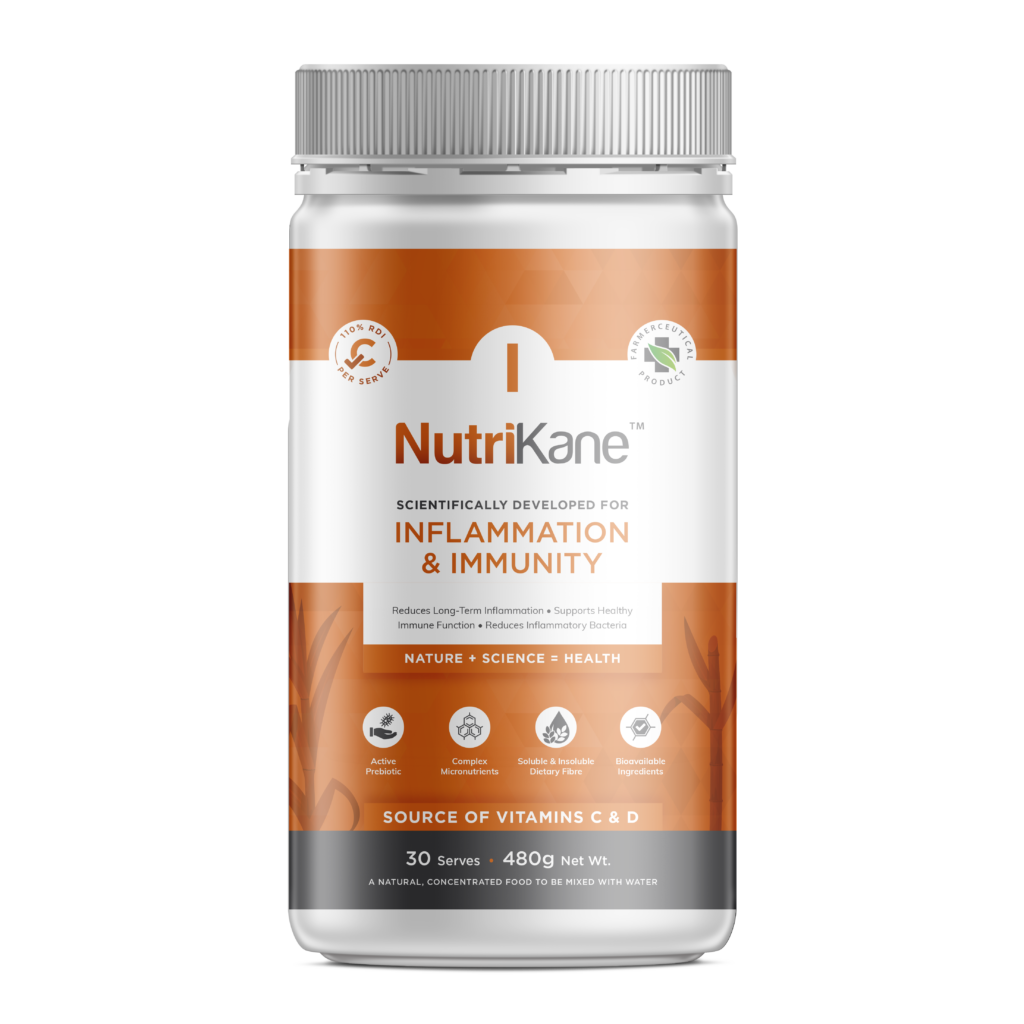
NutriKane, an innovative Australian made natural health product, is scientifically formulated to support digestive health. Packed with fibre and bio actives, NutriKane helps nourish the body and maintain overall well-being. NutriKane offers a convenient way to boost fibre intake and support digestive health, potentially alleviating some of the burdens associated with endometriosis.
Conclusion
Endometriosis is a multifaceted condition that affects physical health, emotional well-being, and overall quality of life. It’s crucial for women experiencing symptoms to seek medical advice as well as explore a holistic approach to management, combining medical treatments with lifestyle and dietary modifications. For further information visit www.nutrikane.com.au