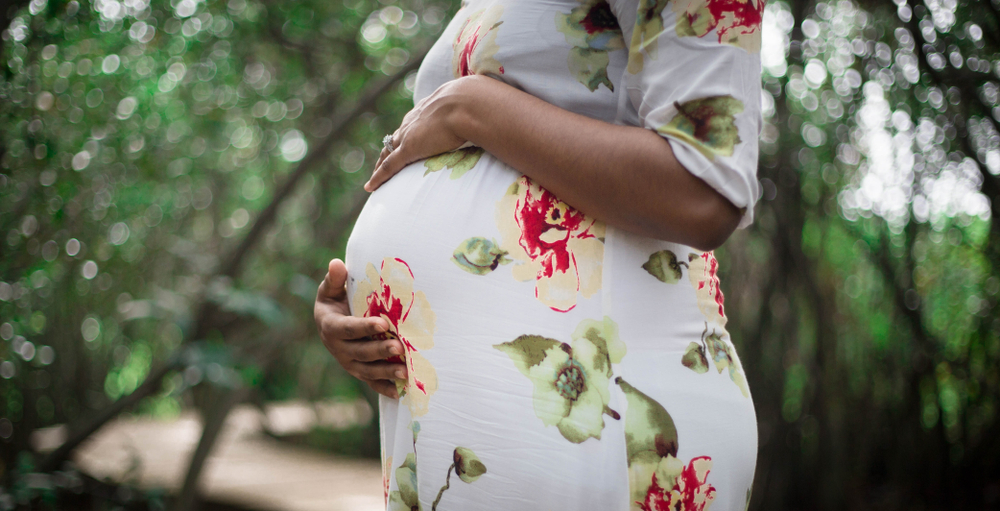
Pregnancy brings with it many changes—some expected, some surprising. For many Australian women, one of those surprises is gestational diabetes. This condition, which affects around 10–15% of pregnancies, usually disappears once the baby is born. But here’s the part not everyone realises: the story doesn’t always end there. Having gestational diabetes means your future risk of developing Type 2 diabetes is significantly higher. Let’s take a closer look at why this happens, what it means for mums long after the pram has been folded away, and—most importantly—what you can do about it.
Understanding the Long-Term Diabetes Risk After Gestational Diabetes is crucial for all mothers who have experienced this condition.
Gestational Diabetes in a Nutshell
Gestational diabetes develops when pregnancy hormones interfere with the way the body uses insulin, leading to higher-than-normal blood sugar levels. Most women don’t feel any different and only find out after a routine glucose test around 24–28 weeks of pregnancy.
For the majority, gestational diabetes can be well-managed with healthy eating, gentle exercise, and monitoring blood sugar levels. Some mums may also need insulin during pregnancy. After delivery, blood sugar levels typically return to normal. Sounds like the end of the story, right? Not quite.
The Link to Type 2 Diabetes
Research shows that up to half of women who experience gestational diabetes will develop Type 2 diabetes within 10–20 years. That’s a sobering statistic, but it’s not meant to scare you—it’s a call to awareness.
Here’s why the risk doesn’t vanish after pregnancy:
- Underlying Insulin Resistance
Gestational diabetes highlights an existing vulnerability to insulin resistance. Even if blood sugar levels settle after birth, the underlying tendency may remain. - Extra Strain on the Body
The hormonal and metabolic stress of pregnancy can “unmask” how close a woman’s body already was to developing diabetes.
3. Family History & Lifestyle Factors
If you already had risk factors—like a family history of diabetes, being overweight, or older maternal age—gestational diabetes can act like an early warning.
Why This Matters
Type 2 diabetes is a serious condition that can increase the risk of heart disease, stroke, kidney disease, nerve damage, and vision problems. But there’s good news here: knowing you’re at risk means you can do something about it.
Many women who’ve had gestational diabetes go on to live long, healthy lives without ever developing Type 2 diabetes. The difference often comes down to lifestyle choices made after pregnancy.
Taking Action After Birth
So, what can you do if you’ve had gestational diabetes? Here are some practical, evidence-based steps:
1. Don’t Skip Postpartum Checks
Doctors recommend a follow-up glucose tolerance test about 6–12 weeks after delivery. This confirms your blood sugar has returned to normal. Beyond that, you should have a diabetes screening test every one to three years. Think of it like a safety net—you’re more likely to catch problems early.
2. Prioritise Healthy Eating
This doesn’t mean cutting out everything you love. It’s about balance:
- Choose wholegrains, vegetables, lean protein, and healthy fats.
- Limit highly processed, sugary foods.
- Watch portion sizes, especially with carbs.
Remember, you’re not “on a diet”—you’re fuelling your body for long-term health (and often still fuelling a little one, if you’re breastfeeding!).
3. Move More—In Ways You Enjoy
Exercise improves insulin sensitivity and helps keep blood sugar levels steady. It doesn’t have to mean sweating it out at the gym. Walking, swimming, cycling, or even dancing in your lounge room all count. Aim for at least 150 minutes a week of moderate activity.
4. Maintain a Healthy Weight
Even small reductions in weight (if you’re carrying extra kilos) can lower your risk of Type 2 diabetes. This is about gradual, sustainable change—not crash diets.
5. Breastfeeding Benefits
Breastfeeding has been linked to a reduced risk of developing Type 2 diabetes for mums. It’s a win-win for both mother and baby.
Food-as-Medicine: A Natural Ally
This is where the concept of Food-as-Medicine really comes into its own. Supporting your body with food-based strategies can help maintain healthy blood sugar levels and improve gut health—both crucial in reducing diabetes risk.
For example, NutriKane D, an Australian-made, natural food product, is scientifically designed to support healthy glucose metabolism. By feeding beneficial gut bacteria and helping to regulate insulin sensitivity, it provides a practical tool for women wanting to stay on top of their long-term health after gestational diabetes.

While it’s not a “magic bullet”, it’s a smart addition to a lifestyle that includes balanced eating and regular movement.
Changing the Narrative
It’s easy to see gestational diabetes as a problem that ends once the baby arrives. But in reality, it can be thought of as an early warning system. Your body is essentially saying: “Hey, you’re at risk—let’s do something now before it becomes permanent.”
By taking gestational diabetes seriously and following through with long-term healthy habits, you have the power to prevent Type 2 diabetes or at least delay its onset for many years.
Final Thoughts
Gestational diabetes may disappear after birth, but the risk it signals remains. The good news? That risk doesn’t have to define your future. With regular check-ups, smart food choices, staying active, and natural supports like NutriKane D, you can stay ahead of Type 2 diabetes and protect your health well beyond pregnancy. So, if you’ve had gestational diabetes, don’t just close the chapter once your baby is born. See it as the beginning of a healthier, more informed approach to your own wellbeing. After all, looking after yourself is one of the best gifts you can give your family.