Research is indicating that a surprising ally in diabetes management has emerged, known as short-chain fatty acids (SCFAs). These little-known compounds, produced in the gut, are gaining attention for all the right reasons. Talk about gut health and overall wellbeing, often focuses on fibre and probiotics, but there’s another key player that deserves some attention: short-chain fatty acids (SCFAs). These little molecules might not be as well-known, but they pack a punch when it comes to keeping our bodies healthy.
What Are Short-Chain Fatty Acids?
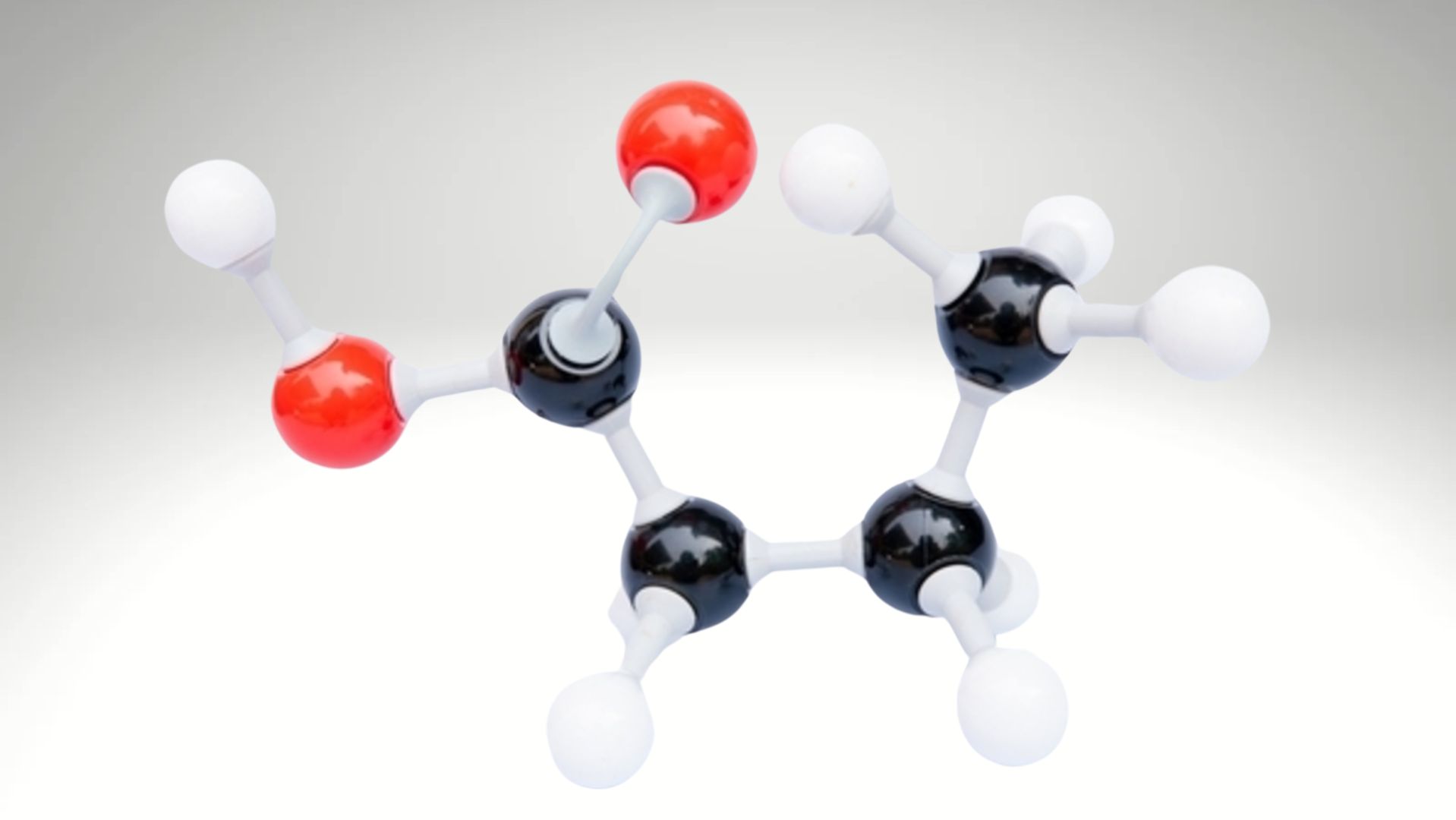
Short-chain fatty acids are types of fatty acids with fewer than six carbon atoms. The main SCFAs you’ll hear about are acetate, propionate, and butyrate. These are produced when the good bacteria in our gut ferment dietary fibres.
How Are SCFAs Produced?
Imagine your gut as a bustling city, with trillions of bacteria, viruses and fungi living and working together. These bacteria love to munch on the fibre we eat from fruits, vegetables, whole grains, and legumes. When they digest this fibre, they produce SCFAs as by-products. It’s like these bacteria are little factories, turning fibre into valuable goods that our bodies can use. A healthy gut microbiome produces SCFAs, which in turn help maintain the integrity of the gut lining, reduce inflammation, and support the immune system. For anyone battling diabetes, these functions are particularly important.
The Role and Benefits of SCFAs in Diabetes Management
- Fuel for Gut Cells: One of the primary roles of SCFAs, especially butyrate, is to provide energy to the cells lining our colon. These cells rely heavily (up to 70%) on butyrate to function properly. It’s like giving them their favourite food, helping them stay strong and healthy.
- Maintaining Gut Health: SCFAs help maintain a healthy gut by lowering the pH in the colon, creating an environment where good bacteria can thrive while keeping bad bacteria in check. This balance is crucial for preventing digestive issues and keeping our gut flora in harmony.
- Reducing Inflammation: Inflammation is our body’s way of fighting off invaders, but too much of it can cause problems. SCFAs have anti-inflammatory properties, which means they help reduce inflammation in the gut and throughout the body. This is particularly important for conditions like inflammatory bowel disease and even some autoimmune diseases.
- Improving Insulin Sensitivity: For those with diabetes or at risk of developing it, SCFAs can be beneficial. Propionate and butyrate have been shown to improve insulin sensitivity, meaning our bodies can use insulin more effectively to lower blood sugar levels, which is particularly important for diabetes management.
- Supporting the Immune System: SCFAs play a role in modulating our immune system. They help regulate immune cells and keep our immune responses in check, ensuring we don’t overreact to harmless substances or, conversely, fail to respond to real threats.
- Helping with Weight Management: SCFAs influence the production of hormones that control our appetite, such as peptide YY (PYY) and glucagon-like peptide-1 (GLP-1). These hormones help us feel full and satisfied, which can be helpful in managing weight. As many struggling to manage diabetes will know, control of weight gain can be a real challenge.
The Gut-Brain Connection
There’s a fascinating link between our gut and our brain, known as the gut-brain axis. SCFAs play a role here too. They can influence the production of neurotransmitters, which are chemicals that send signals in the brain. This means that a healthy gut, producing plenty of SCFAs, can have a positive impact on our mood and mental health.
How to Boost SCFA Production
Here are some simple tips to make sure our gut is producing enough SCFAs :
- Eat More Fibre: The best way to boost SCFA production is to eat a diet rich in fibre. Think fruits, vegetables, whole grains, legumes, nuts, and seeds. These foods provide the fuel that your gut bacteria need to produce SCFAs.
- Include Fermented Foods: Foods like yoghurt, kefir, sauerkraut, and kimchi are great for promoting a healthy gut microbiome. They contain probiotics, which are beneficial bacteria that can help boost SCFA production.
- Stay Hydrated: Drinking plenty of water supports digestion and helps maintain a healthy gut environment.
- Exercise Regularly: Physical activity can positively affect gut health and SCFA production. Aim for regular, moderate exercise like walking, cycling, or swimming.
- Limit Processed Foods: Processed and high-sugar foods can disrupt the balance of bacteria in your gut. Try to minimise these as much as possible in your diet.
Enter NutriKane ™ D
Natural goodness backed by science. NutriKane™ D is a game-changer for diabetes management, and here’s why: it harnesses the power of whole plant ingredients which means it’s packed with natural fibres and bioactives that feed the microbiome and support the production of short chain fatty acids! The NutriKane™ products work by utilising a Food-as-Medicine approach. Just mix with water or sprinkle on your food. It’s a natural, hassle-free way to support your diabetes management efforts. The products are safe, natural, and made in Australia, by an Australian company.

Conclusion
We hope this short article helps with understanding what SCFAs are and why they’re such an important step towards better health. If you would like further information about the NutriKane™ products, please visit www.nutrikane.com.au