Every October, Australians come together to recognise National Mental Health Week, a time to reflect on the importance of mental health, reduce stigma, and explore ways we can better support ourselves and each other. The week culminates on October 10th with World Mental Health Day, a global call to action reminding us that mental wellbeing is not a luxury—it’s essential to living a full, healthy life.
In 2025, as the rates of anxiety, depression, dementia, and stress-related conditions continue to rise, Australians are asking harder questions: What can we do beyond raising awareness? How do we actually protect and support better brain health? Surprisingly, much of the latest science points to one place many people overlook—our gut.
Mental Health in Australia: A Growing Challenge
Nearly half of Australians will experience mental illness at some point in their lives. Anxiety and depression are the most common, affecting around one in five adults every year. While therapy, medication, and community support remain essential, researchers are now highlighting biological drivers that could transform how we understand mental wellbeing.
At the centre of this shift is inflammation—often described as “the fire within.” Chronic inflammation doesn’t just damage joints or arteries; it can also disrupt brain function. Neuroinflammation, or inflammation inside the brain and nervous system, is now linked to mood disorders, cognitive decline, and neurodegenerative conditions like Alzheimer’s disease.
The Gut-Brain Connection: More Than a Metaphor
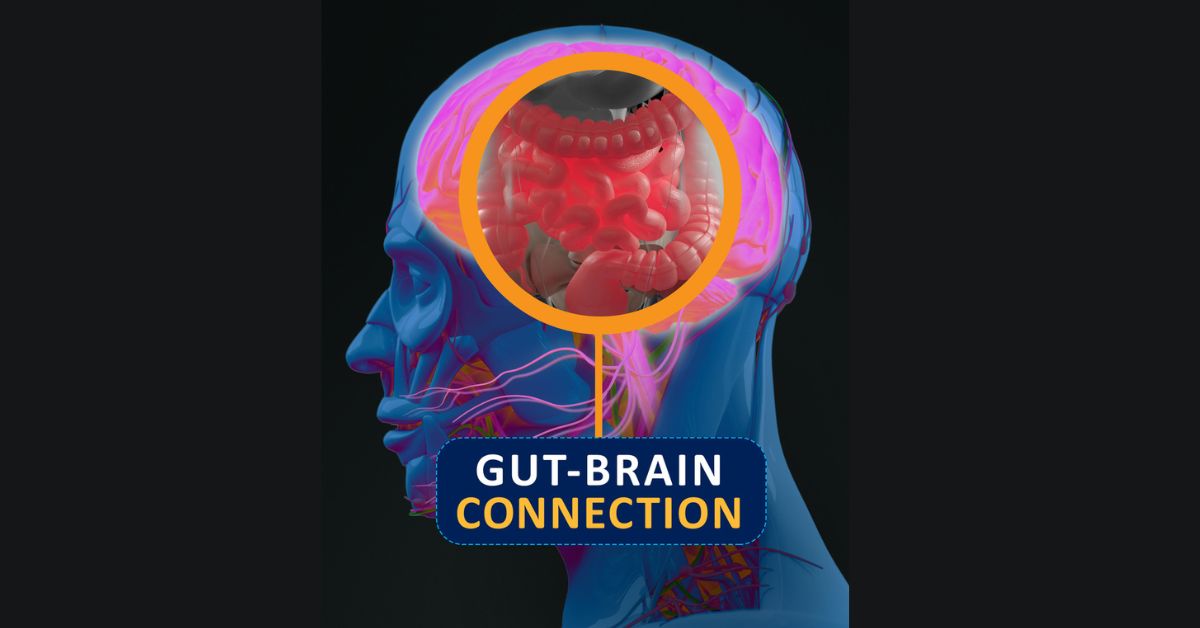
For years we’ve spoken of a “gut feeling” or “butterflies in the stomach.” Science now confirms what tradition long suspected: the gut and the brain are deeply connected.
This happens through the gut-brain axis, a two-way communication system linking the gut microbiome, immune system, and nervous system. When the gut is imbalanced or inflamed, the brain feels the impact.
- 90% of serotonin, the “feel good” neurotransmitter, is made in the gut. While there is debate as to whether serotonin itself crosses the blood brain barrier, it is known that the gut will preferentially use the ingredients and machinery needed to make serotonin, starving the brain of the ability to make it’s own.
- Gut bacteria produce short-chain fatty acids (SCFAs) that regulate inflammation and protect brain health.
- Dysbiosis—an imbalance in gut bacteria—has been linked to higher risks of anxiety, depression, and dementia.
In short, when gut health suffers, so does our mental resilience.
Cooling the Fire: Food as Medicine for Mental Health
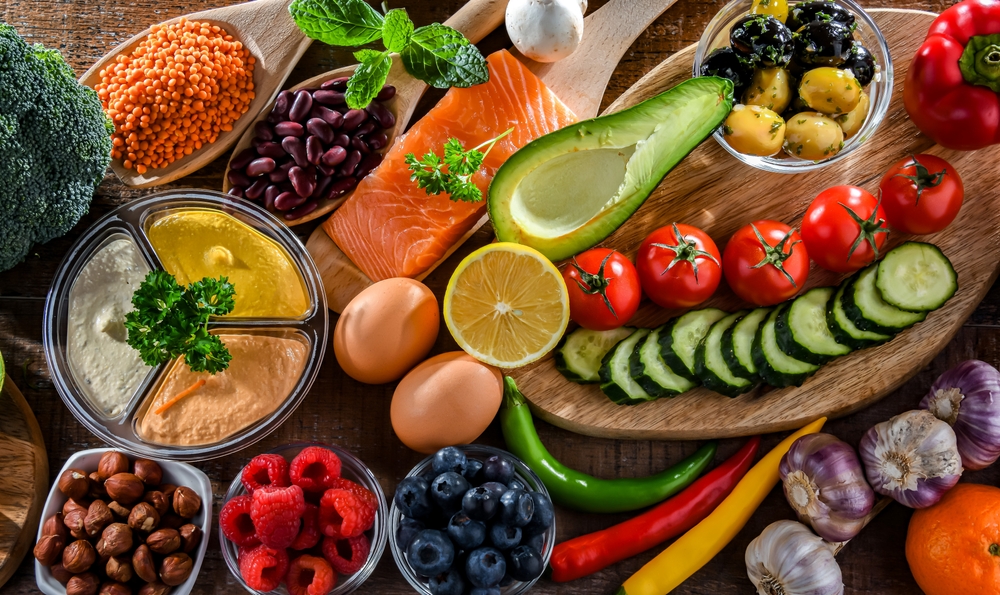
This is where the concept of Food as Medicine becomes powerful. Instead of viewing food only as fuel, science increasingly shows that whole plant compounds actively reduce inflammation, balance gut bacteria, and support neurological health.
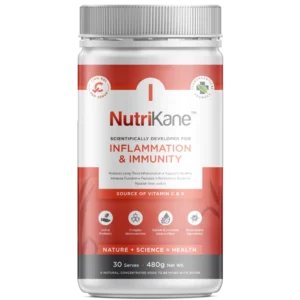
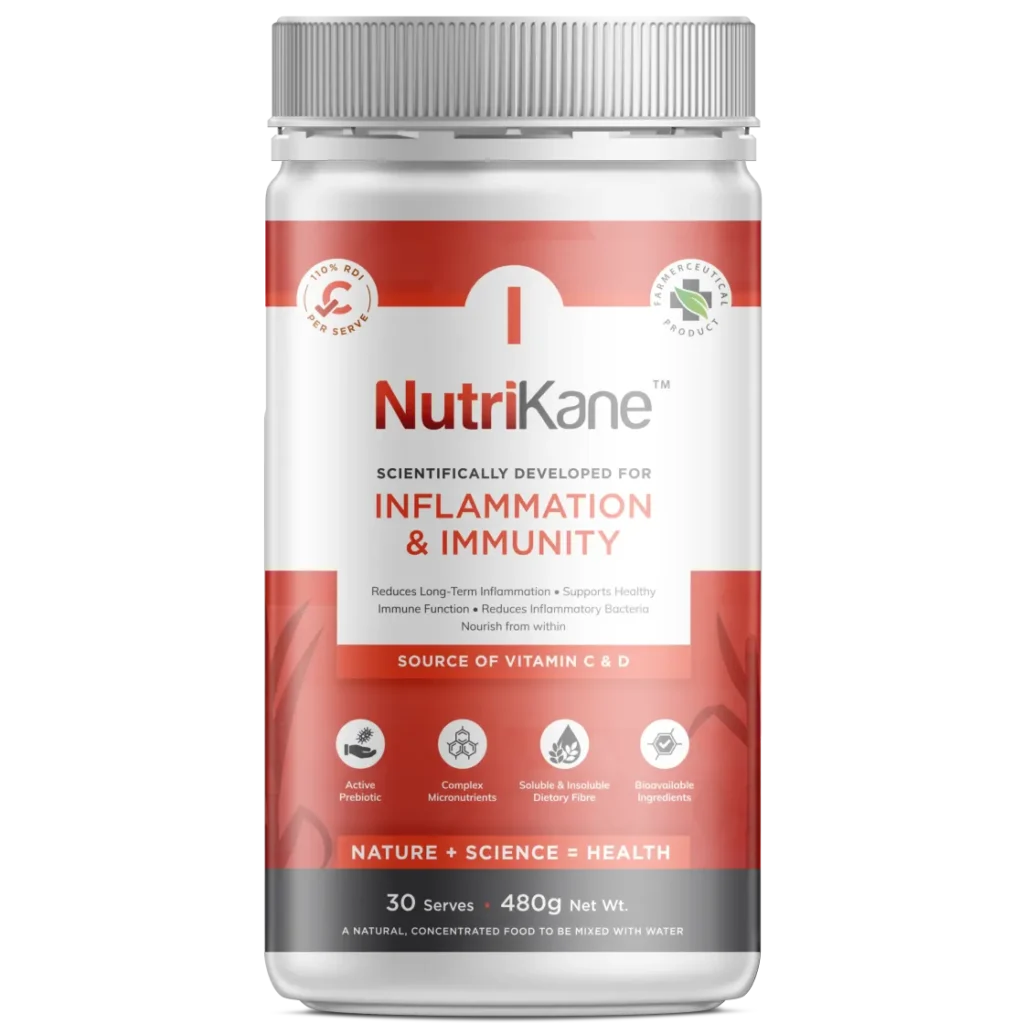
An Australian-made product designed with this philosophy is NutriKane I, part of the NutriKane Food-as-Medicine range. Unlike synthetic supplements, it uses natural, food-based ingredients specifically chosen to:
- Reduce systemic and neurological inflammation.
- Support gut microbiome diversity, encouraging SCFA production.
- Promote immune balance to calm overactive immune responses linked to depression and anxiety.
By lowering neurological inflammation, NutriKane I helps strengthen the gut-brain connection—supporting clearer thinking, steadier mood, and long-term brain health.
What the Research Shows
A growing body of research ties gut health directly to mental wellbeing:
- Neuroinflammation and depression: Reviews in Nature Reviews Neuroscience highlight that chronic inflammation triggers overactive microglia—the brain’s immune cells—contributing to low mood and cognitive decline.
- SCFAs and cognition: Studies show SCFAs protect the blood-brain barrier, reduce oxidative stress, and improve memory.
- Fibre and mental health: Diets rich in fibre are consistently linked with lower rates of depression, thanks to improved microbiome function.
NutriKane I aligns closely with these findings, providing concentrated plant fibres, polyphenols, and bioactive compounds that nurture the gut-brain axis.
Making Mental Health Week Practical
Mental Health Week isn’t just about reflection—it’s about action. Here are three practical steps anyone can take:
- Eat fibre-rich, plant-based foods: Legumes, whole grains, fruits, and vegetables nourish beneficial gut bacteria.
- Add anti-inflammatory foods: Turmeric, colourful fruits, olive oil, and products like NutriKane I help reduce systemic inflammation.
- Balance lifestyle choices: Quality sleep, regular exercise, stress management, and social connection all support both gut and brain health.
Why This Matters Now
Australians are living longer, but with dementia, depression, and anxiety on the rise, quality of life is under real threat. By addressing root causes—chronic inflammation, poor gut health, and lack of food-based solutions—we have the chance to change course.
NutriKane I doesn’t claim to replace therapy or medication, but it offers a simple, daily step in the right direction: calming inflammation, nurturing gut health, and giving the brain a better environment to thrive.
A Shared Responsibility
National Mental Health Week reminds us that mental wellbeing is everyone’s business. From families to workplaces, schools to communities, small actions taken daily can add up to meaningful change.
As we reach World Mental Health Day on October 10th, let’s move beyond awareness campaigns and start embracing evidence-based, practical strategies. Supporting gut health through better food choices is one of the most accessible—and powerful—tools we have.
Final Thoughts
Mental health is complex, shaped by social, psychological, and biological factors. But as the science of the gut-brain connection unfolds, one truth becomes clear: by healing the gut, we also help heal the mind.