Sugar has long been sold as harmless fun — a “treat” for kids after sport, a bribe for good behaviour, a birthday party staple. Parents often think of it as a small indulgence. But here’s the uncomfortable truth: sugar is no longer just an occasional treat. It’s saturated our food chain, infiltrating everything from breakfast cereals to yoghurt, bread, sauces, and even so-called “healthy” snacks.
This constant exposure means our children are consuming levels of sugar that were unimaginable just a generation ago. And the result? A silent but devastating epidemic: non-alcoholic fatty liver disease in kids.
The New Face of Liver Disease
Once thought to affect only older, heavy-drinking adults, fatty liver disease is now being diagnosed in Australian teenagers! Some as young as 15 are ending up on transplant waiting lists. And most parents never see it coming, because symptoms are subtle or absent until the damage is advanced.
“Non-Alcoholic” Is a Misnomer
For decades, doctors used the term non-alcoholic fatty liver disease (NAFLD). But that name hides the real problem and is dangerously misleading. The liver damage isn’t coming from wine or beer or spirits. The damage is coming from sugar and processed foods.
When refined carbohydrates and sweeteners break down, they not only spike blood sugar but can also feed gut bacteria that produce alcohol inside the body — dripping directly into the liver, every single day. That means a child who’s never touched a drop of alcohol can still develop the same liver disease as an adult who’s been drinking for decades
It’s like carrying around a low-grade hangover without ever touching a drink.
Force-Feeding by the Supermarket Shelf
Think about foie gras. French farmers force-feed ducks corn until their livers swell with fat. That’s exactly what’s happening to Australian families, only more insidiously.
Just look at our supermarket shelves.
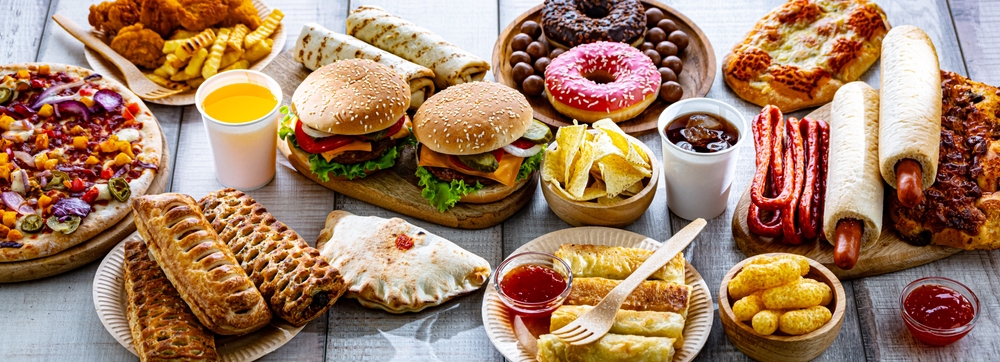
We’re doing exactly the same thing to ourselves – and to our kids – but slowly, over years. The culprit? It’s not just the lolly aisle. It’s fruit juice boxes in lunch bags, flavoured yoghurts with more sugar than ice-cream, sauces loaded with hidden sweeteners, energy drinks marketed to teens, and “treat-sized” snack bars that are anything but.
The reality is they are ultra-processed foods, laced with high-fructose corn syrup or refined sugar.
We may call it choice, but the saturation of sugar in every aisle means parents and children alike are being force-fed over time.
The Real Villains
Main stream medicine still believes fat is the enemy. But when it comes to non-alcoholic fatty liver disease, the true culprits are:
- Soft drinks, energy drinks, and flavoured milks
- Ultra-processed foods making up half of many shopping trolleys
- Refined carbs like white bread, muffins, and biscuits
- Gut imbalances that create internal alcohol exposure
- Environmental toxins piling extra stress on the liver
And here’s the kicker: it’s not just about weight. Thin children can carry this hidden liver damage too.
The “Traffic Jam” Inside Every Cell
This epidemic starts in childhood. Daily soft drinks, juice pouches, and sugary snacks are producing the same liver damage we once saw only in long-term alcoholics. What starts as a “treat” here and there becomes a constant overload thanks to a food marketplace saturated with hidden sugar. Birthday lolly bags, after-school snacks, and weekend “treats” are setting up an epidemic we’ll be paying for in hospital wards and transplant waiting lists.
The responsibility isn’t on children — it’s on parents, schools, food manufacturers, and governments to acknowledge what’s happening. Parents in particular, need to understand that “treats” are fine in moderation, but the baseline diet is already drowning in sugar.
Why Aren’t Doctors Catching It Earlier?
The most common “simple” blood test to detect liver stress or damage is the Liver Function Test (LFT), which is a panel of blood tests rather than a single marker. It’s widely available in Australia and Medicare-covered.
Key markers in an LFT:
- ALT (Alanine aminotransferase)
- One of the most sensitive indicators of liver cell injury.
- Elevated ALT usually points to liver stress or inflammation.
- AST (Aspartate aminotransferase)
- Also reflects liver cell damage, but can be elevated with muscle injury too.
- GGT (Gamma-glutamyl transferase)
- Very sensitive to toxic stress on the liver, particularly from alcohol, medications, or fatty liver changes.
- Often rises earlier than other markers.
- ALP (Alkaline phosphatase)
- Elevated when there’s obstruction or stress in the bile ducts.
- Bilirubin, Albumin & Clotting factors
- Reflect the liver’s ability to process waste and make proteins, but usually change later in disease progression.
Which one is “simple and early”?
- GGT and ALT are the most useful for early detection of liver stress.
- Together, they can flag problems well before symptoms appear.
- Many GPs order a full LFT by default, but if you want to be proactive you can ask specifically:
“Could we check my LFTs, especially ALT and GGT, for early signs of fatty liver or liver stress?”
Awareness of the importance of detecting early liver stress appears low, even among clinicians. Many families don’t know to ask for these tests until it’s too late.
This is where education matters. We need not only better screening but also better training and more open conversations about the risks.
The Good News
Fatty liver disease is reversible if caught early. The liver is one of the most resilient organs in the body. Remove the overload, and it begins to repair itself.
Here’s where families can start:
- Reduce ultra-processed foods and sugary drinks
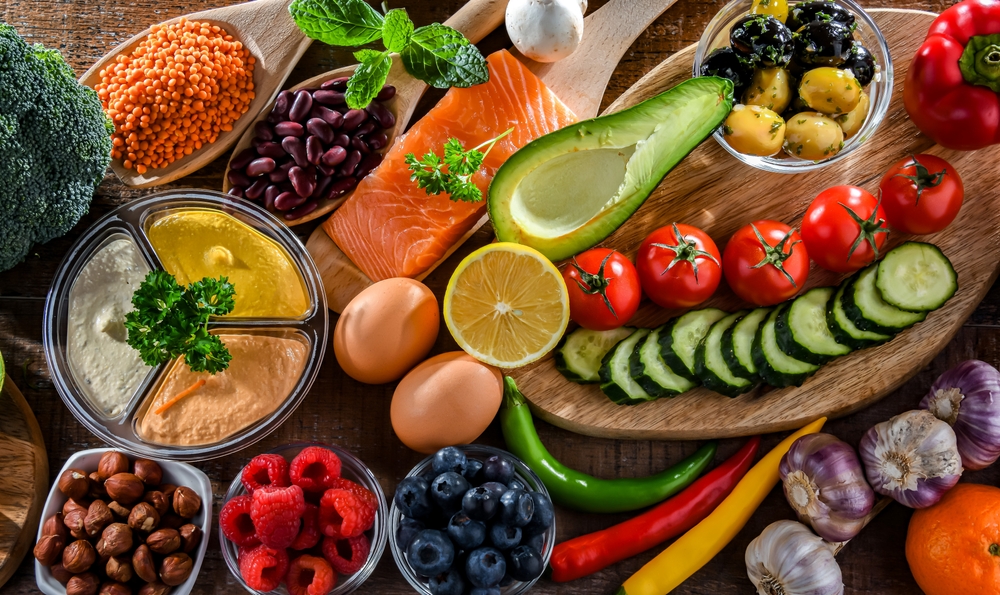
- Focus on whole, unprocessed foods — fruit, veg, legumes, lean proteins
- Add liver-supporting foods like flaxseeds and cruciferous vegetables
- Support gut health with high-fibre foods
- Prioritise sleep, reduce toxins, and manage stress
Food is medicine. And for many Australians, that medicine is urgently needed.
Where NutriKane Fits
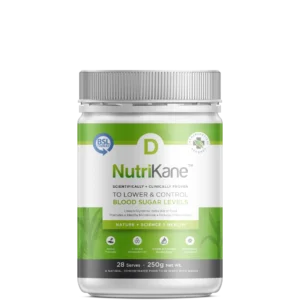
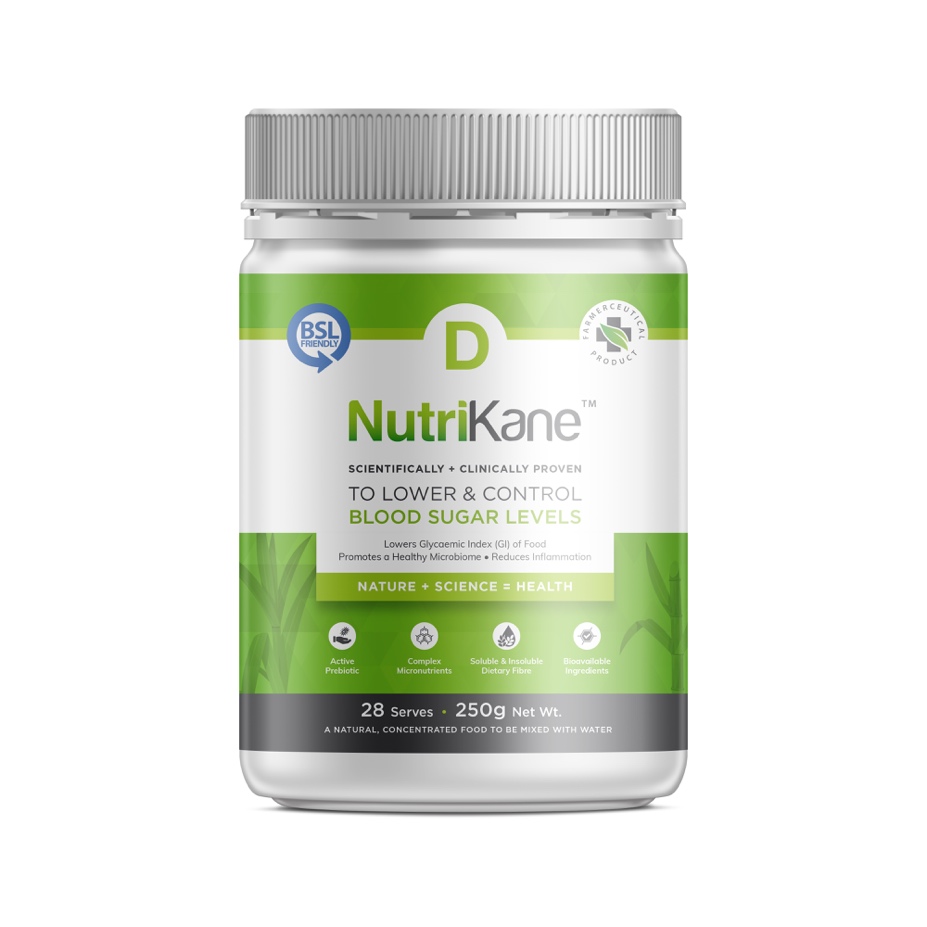
NutriKane D, developed here in Australia, is designed to help regulate blood sugar and support gut health through its plant-based fibres and bioactive compounds. By targeting the mechanisms that drive fatty liver — sugar overload, insulin resistance, and gut imbalance — it offers families a safe, food-based tool to protect their health.
A National Wake-Up Call
Australia already faces a Type 2 diabetes crisis, and non-alcoholic fatty liver disease is the hidden partner. If we don’t change course, today’s children will grow up with tomorrow’s chronic diseases. We can’t rely on a medical system that waits for symptoms. Parents need education. Kids need better options. And the food industry needs accountability
The Bottom Line
Yes, sugar can be a treat. But in today’s Australia, the saturation of sugar across all food groups means our children are consuming it far beyond “treat” levels. That normalisation is fuelling an epidemic of liver disease that is entirely preventable.
The good news: your child’s liver can heal. The question is whether we, as parents and as a society, will act soon enough to give them that chance.