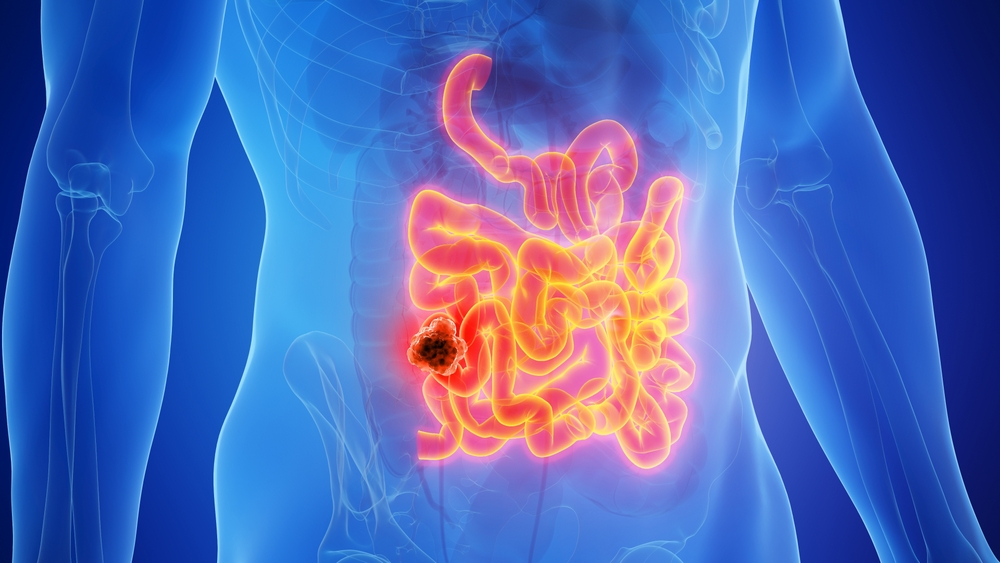
Did you know that Australia now has the highest rate of early-onset bowel cancer in the world? That’s right — not just in the Western world, but globally. It’s a shocking and heartbreaking reality that more young Australians, under the age of 50, are being diagnosed with this preventable and often treatable cancer than anywhere else on the planet.
New research from the University of Melbourne has revealed an Australian born in 1990 is now up to three times more likely to develop the disease, compared to someone born in the 1950s.
This isn’t just a health story — it’s a national wake-up call!!
The Numbers Don’t Lie
Bowel cancer (also known as colorectal cancer) has long been considered a disease of older adults. But in the past two decades, that story has changed dramatically. Cases in people under 50 have risen steeply. In fact, recent research published in The Lancet Gastroenterology & Hepatology shows Australia leading the world in this disturbing trend. In younger Australians aged 20 to 39, bowel cancer cases have more than doubled in the last 30 years.
Even more concerning? Many of these young people are being diagnosed at more advanced stages, which reduces their chance of survival. That’s largely because the symptoms — like bloating, fatigue, bleeding, changes in bowel habits — are often brushed off as “nothing serious” or misdiagnosed as irritable bowel syndrome (IBS), stress, or food intolerances.
So Why Is This Happening?
Let’s be honest — this isn’t just bad luck or poor genetics. It’s about the environment we live in, the food we eat, and how we treat our bodies.
Experts believe the rise in early-onset bowel cancer is closely tied to a Western lifestyle — high in ultra-processed foods, low in fibre, packed with added sugars, and heavy on red and processed meats. Combine that with rising obesity rates, sedentary lifestyles, alcohol use, and chronic inflammation, and you’ve got a recipe for digestive disaster.
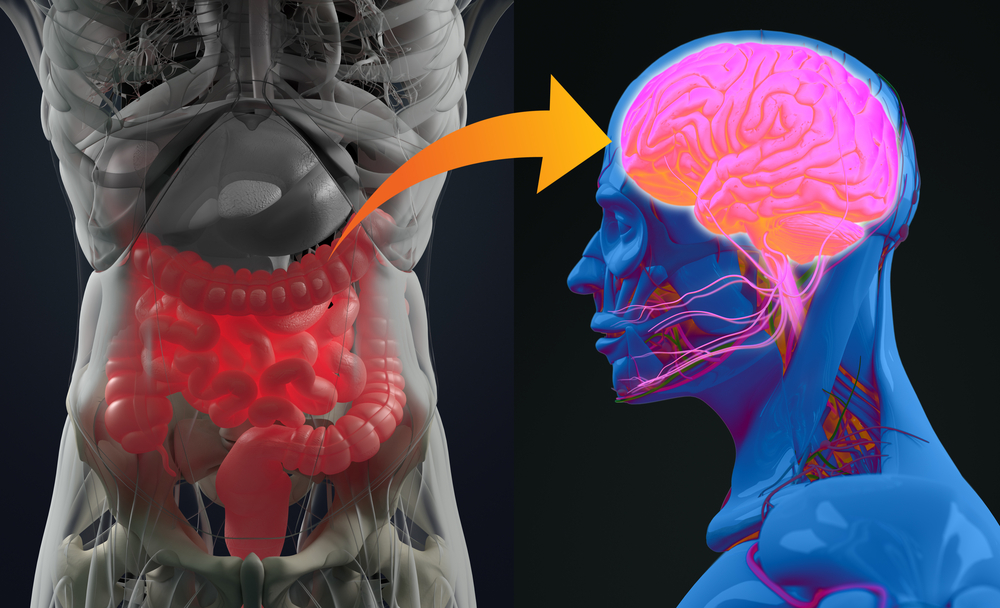
Our gut microbiome — the trillions of bacteria that live in our intestines — plays a huge role in regulating inflammation, immune function, and even cancer risk. When that ecosystem is disrupted (by poor diet, antibiotics, stress, or lack of good nutrition), the gut lining becomes damaged, inflammation kicks in, and cancer cells are more likely to grow.
It is also one of the paradoxes of life that our intestines are not designed to eat ‘easy to digest food’ all the time. Much of the machinery in our digestive system is geared towards getting the most out of hard to digest foods like fibrous raw vegetables. One theory has suggested that it is not simply a matter of lack of nutrients, but that the act of digesting the food itself, plays a role ( similar to the hind gut theory of diabetes. )
What Makes Bowel Cancer So Dangerous?
One of the biggest issues is that bowel cancer in younger adults tends to behave more aggressively — and because until recently, routine screening was not available until age 50, many didn’t get diagnosed until symptoms were severe.
The government’s National Bowel Cancer Screening Program does a great job for the over-50s — but it’s been missing a growing wave of young adults who are falling through the cracks.
The result? More young Australians have been dying from a disease that’s largely preventable through better education, earlier detection, and lifestyle change.
In July 2024 Australia finally started following the US trend of lowering the age eligibility for screening from 50 to 45.
What You Can Do (No Matter Your Age)
Let’s get one thing straight: this is not just a problem for “other people.” If you’re under 50, you need to take your gut health seriously — and speak up if something doesn’t feel right. The good news is everything you do to help prevent bowel cancer will make you healthier and happier in other ways too.
Here’s what everyone should know:
✅ Know the symptoms: Blood in the stool, persistent changes in bowel habits, unexplained fatigue, bloating, or weight loss — these are not normal. Don’t ignore them.
✅ Demand answers: If you feel like something’s off, don’t accept a lazy diagnosis like “IBS” without proper testing. You have the right to be taken seriously.
✅ Eat real food: Cut back on processed junk and get more micronutrients and fibre from whole foods — think veggies, legumes, seeds, and whole grains. Your gut bugs will thank you.
✅ Look after your gut microbiome: Fermented foods, prebiotics, polyphenols, and a wide variety of plants can help build a healthier gut — and potentially reduce your risk of cancer.
A Call To Action
We can’t afford to stay quiet on this. The idea that “bowel cancer is an old person’s disease” is outdated and dangerous. Young people are being diagnosed and dying unnecessarily.
Doctors must listen, and public health campaigns should reflect the actual risk for younger Australians.
But most of all, we need to start talking about gut health the way we talk about heart health and mental health — as a core part of everyday wellbeing.
Food-as-Medicine Matters

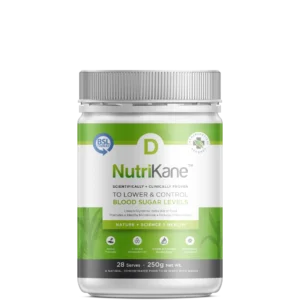
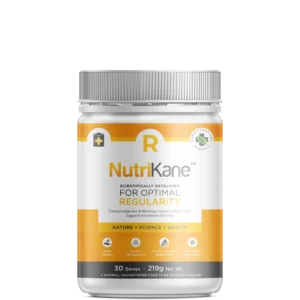
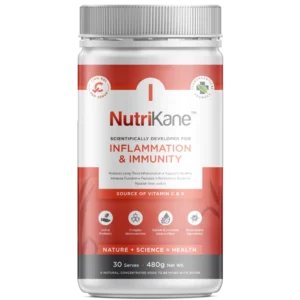
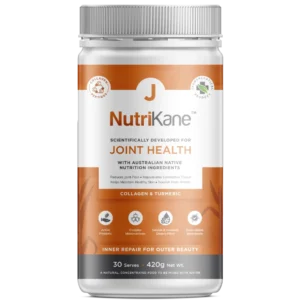
In the fight against early-onset bowel cancer, NutriKane products offer a promising support tool through the proven power of Food-as-Medicine. Rich in scientifically validated prebiotic fibres and bioactive compounds, NutriKane helps nourish the gut microbiome, reduce chronic inflammation, and support healthy digestion—factors now increasingly linked to bowel cancer risk. By improving gut health naturally and effectively, NutriKane plays a preventative role that aligns with emerging research calling for dietary and lifestyle-based solutions to this rising health crisis.
Australia may be leading the world in early-onset bowel cancer. But with the right action, we can lead the world in reversing the trend. NutriKane is a practical, everyday way to take action before disease strikes.
Don’t wait for a diagnosis to start taking your gut health seriously. Prevention starts now — one real meal, one conversation, one check-up , at a time.